
Is an HVAC Air Purifier Worth It? Benefits and Considerations Explained
By:Admin
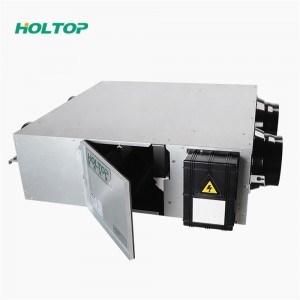
Indoor air quality has become an increasingly important topic in recent years, especially as more people spend significant amounts of time indoors, whether at home or at work. One popular solution to improve indoor air quality is the use of HVAC air purifiers. These devices, integrated into HVAC systems, promise to reduce airborne pollutants and create a healthier environment. But are HVAC air purifiers truly worth the investment? This article delves into the benefits, potential drawbacks, and key considerations to help you make an informed decision.
### Understanding HVAC Air Purifiers
HVAC air purifiers are designed to work with your home’s heating, ventilation, and air conditioning system to filter and clean the air as it circulates throughout your space. Unlike standalone air purifiers, these units are installed within the HVAC system and treat all the air passing through it. The primary purpose is to capture airborne contaminants such as dust, pet dander, pollen, mold spores, bacteria, and viruses, which can cause allergies, respiratory issues, and other health problems.
### Benefits of HVAC Air Purifiers
1. **Comprehensive Air Cleaning**
Because they are integrated with the HVAC system, these purifiers can clean the air in multiple rooms simultaneously. This centralized approach means you don’t need multiple standalone purifiers cluttering up various living spaces.
2. **Improved Air Quality**
HVAC air purifiers use advanced filtration technologies, including HEPA filters, activated carbon, and UV light, to trap and neutralize a broad range of airborne particles and pathogens. This can significantly reduce allergens and irritants, contributing to a cleaner, healthier indoor environment.
3. **Allergy and Asthma Relief**
For individuals with allergies or asthma, the presence of airborne allergens can trigger symptoms that decrease quality of life. By removing these irritants more effectively, HVAC air purifiers can help minimize symptoms and reduce reliance on medications.
4. **Odor Elimination**
Many HVAC air purifiers include activated carbon filters or similar components that absorb odors from cooking, pets, smoke, and volatile organic compounds (VOCs). This helps keep your home smelling fresher.
5. **Convenience and Low Maintenance**
Since the purifiers are integrated with your HVAC system, maintenance usually involves replacing filters periodically—typically every 6 to 12 months—rather than the daily upkeep some standalone purifiers require. This ease of maintenance can be a significant advantage for busy households.
6. **Increased Property Value**
An HVAC system enhanced with air purification technology can increase the overall value of your home, as prospective buyers may appreciate the added focus on health and comfort.
### Considerations Before Purchasing
1. **Installation Costs**
Installing an HVAC air purifier involves upfront expenses that can vary depending on the type of purifier and the complexity of your HVAC system. While some units are easy to retrofit into existing systems, others may require professional installation.
2. **Ongoing Maintenance**
Although maintenance is generally straightforward, neglecting to replace filters or UV bulbs (if applicable) can reduce the system’s effectiveness. It’s important to keep up with manufacturer recommendations to ensure optimal performance.
3. **Effectiveness Depends on System Compatibility**
Not all HVAC systems are compatible with every air purifier model. In some cases, the airflow or size of your HVAC system may limit filter options, potentially reducing purification efficiency.
4. **Limited Effect on Certain Pollutants**
While HVAC filters capture many airborne particles, they may not address all indoor air quality issues. For example, gases like radon or carbon monoxide require specialized detection and mitigation systems separate from standard air purifiers.
5. **Energy Consumption**
Some HVAC air purifiers use UV lights or ionizers that consume additional electricity. Depending on the model and usage, this can slightly increase your energy bills.
### Who Should Consider HVAC Air Purifiers?
- **Allergy and Asthma Sufferers:** Those sensitive to allergens and irritants will benefit most from consistent, whole-home air purification.
- **Homes with Pets:** Pet dander and odors can be significantly reduced with a quality HVAC air purifier.
- **Urban Residents:** If you live in a city with high pollution levels, these systems help mitigate outdoor pollutants that enter your home.
- **Families with Young Children or Elderly Members:** Cleaner air supports vulnerable populations who may be more susceptible to respiratory problems.
- **Anyone Seeking Improved Indoor Environment:** Even if you don’t have specific health concerns, improving air quality can enhance overall comfort and well-being.
### Conclusion
HVAC air purifiers offer a compelling solution for improving indoor air quality across an entire home. By capturing allergens, neutralizing odors, and reducing airborne pathogens, these integrated systems contribute to healthier living spaces. However, they come with considerations such as installation cost and maintenance requirements that potential buyers should weigh carefully.
Ultimately, the decision to invest in an HVAC air purifier depends on your household’s specific needs, budget, and the existing HVAC system’s compatibility. Consulting with an HVAC professional can help you identify the best options to ensure optimal air quality for your home.
Improving your indoor environment through advanced air purification technology is more achievable than ever, making HVAC air purifiers a worthwhile addition for many households seeking to breathe easier and live healthier.