
How to Improve Heat Recovery Efficiency for Better Energy Savings
By:Admin
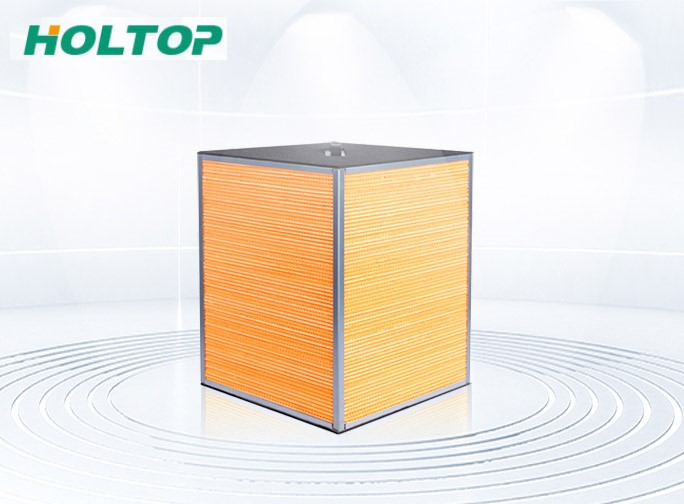
In recent years, enhancing energy efficiency has become a pivotal goal for industries and communities worldwide. Heat recovery systems, which capture and reuse waste heat generated during various industrial processes, play a crucial role in this pursuit. Improving heat recovery efficiency translates directly into reduced energy consumption, lower emissions, and significant cost savings. Recent developments in heat recovery technology are poised to revolutionize how waste heat is managed and utilized across multiple sectors.
**Innovations Driving Heat Recovery Efficiency**
Recent breakthroughs in heat recovery efficiency have emerged from rigorous research and development efforts focusing on optimizing heat exchanger materials, designs, and operational strategies. Advanced heat exchangers now incorporate high thermal conductivity materials and innovative surface treatments that maximize heat transfer rates while minimizing fouling and corrosion. Moreover, enhanced control systems enable real-time monitoring and automated adjustments, ensuring optimal heat recovery performance under dynamic operational conditions.
One particularly notable improvement involves the integration of smart sensors and predictive analytics. These technologies provide precise measurements of temperature gradients and flow rates, allowing systems to adapt proactively and capture the maximum amount of waste heat possible. This dynamic adaptability increases overall heat recovery efficiency by up to 15% compared to traditional static systems.
**Impact Across Industries**
The implications of improved heat recovery efficiency are substantial across many industries. Manufacturing facilities, power plants, chemical processes, and even commercial buildings can benefit from reusing thermal energy that would otherwise be lost to the environment. For example, in manufacturing, recovered heat can preheat raw materials or provide space heating, significantly reducing reliance on fossil fuels.
In power generation, enhanced heat recovery enables combined heat and power (CHP) systems to achieve greater overall efficiencies, thus lowering greenhouse gas emissions and operational costs. Similarly, in the chemical industry, recuperated heat can drive endothermic reactions or distillation processes, optimizing energy input and output balances.
Beyond industry, improved heat recovery systems also contribute to sustainable urban infrastructures. District heating networks, which distribute heat from a central source to multiple buildings, can leverage cutting-edge heat recovery technologies to boost efficiency and reliability, ultimately decreasing community carbon footprints.
**Company Overview**
At the forefront of these advancements is a pioneering company dedicated to reshaping energy utilization through innovative heat recovery solutions. With decades of expertise in thermal engineering and energy systems, the company has developed a suite of technologies that significantly elevate heat recovery efficiency for a wide range of applications.
The company’s approach integrates proprietary heat exchanger designs with sophisticated control algorithms. Their products are engineered to deliver high thermal performance while ensuring durability and ease of maintenance. By prioritizing sustainability, the company aims to help clients reduce energy waste, lower operational expenses, and meet increasingly stringent environmental regulations.
In addition to cutting-edge products, the company offers comprehensive consultation and system integration services, tailoring solutions to meet the specific needs of each client. Their global presence and collaborative partnerships underscore a commitment to driving energy efficiency on an international scale.
**Future Prospects**
Looking forward, the trajectory of heat recovery efficiency is expected to continue on an upward trend. The convergence of material science innovations, digitalization, and environmental policy drivers fosters an ecosystem ripe for ongoing breakthroughs.
Emerging concepts such as phase-change materials for thermal energy storage and nanostructured surfaces for enhanced heat transfer are under active exploration. Meanwhile, the accelerated adoption of Industry 4.0 technologies, including the Internet of Things (IoT) and artificial intelligence (AI), will facilitate smarter, more responsive heat recovery systems.
Moreover, as governments around the world tighten energy efficiency standards and incentivize low-carbon technologies, the demand for effective heat recovery solutions will intensify. This regulatory momentum aligns with corporate sustainability targets, making heat recovery efficiency improvements not just an operational goal but a strategic imperative.
**Conclusion**
The advances in heat recovery efficiency mark a significant step toward a more sustainable and energy-conscious future. By harnessing waste heat more effectively, industries and communities can reduce energy consumption, lower emissions, and achieve substantial economic benefits. The company’s innovative technologies and expertise exemplify the kind of forward-thinking solutions required to meet the challenges of energy efficiency in the 21st century.
As this sector continues to evolve, stakeholders across disciplines must collaborate to maximize the potential of heat recovery. Integrating cutting-edge materials, intelligent controls, and tailored system designs will unlock new levels of efficiency that contribute meaningfully to global energy sustainability goals.
In summary, the improvements in heat recovery efficiency represent not only technological progress but also a vital contribution to responsible resource management. Through ongoing innovation and strategic implementation, heat recovery systems will play an increasingly central role in shaping an energy-efficient and environmentally resilient world.